

Member Fraud Education
Protecting your security is our top priority. At 1st Liberty Federal Credit Union, we use advanced security systems to monitor your accounts around the clock, but your awareness is our strongest line of defense. This guide is your go-to resource for the latest local security updates, easy-to-use prevention tips, and the tools you need to protect yourself from fraud.
- Monitor your accounts frequently
- Utilize Multi-factor Authentication (MFA)
- Employ Real-time alerts
-
This widget doesn't support Detail view mode. In the edit menu, List settings tab, please set Display Mode to "Master".
Think you or a loved one has been involved in or targeted for a scam? Report it here!
Want to learn more about the different types of common scams today? Check out our fraud education videos below!
Romance Scams
Family Emergency Scams
Targeted Account Exploitation Tactics
Tech Support Scams
Imposter Scams
Signs of a scam
Different Types of Today's Fraud
- How it works: Fraudsters send deceptive text messages (smishing) or emails containing malicious links.
- The entry point: Clicking the link routes you to a fake login portal designed to steal your credentials or silently install background malware on your device.
- How it works: Scammers call pretending to be your credit union, tech support, or a government official.
- The entry point: They exploit your trust or fear to trick you into verbally giving up passwords, PINs, or your Social Security number.
- How it works: Fraudsters trick you into downloading legitimate screen-sharing apps (like AnyDesk, TeamViewer, or ZoHo) under the guise of technical assistance.
- The entry point: Once you grant them permission, they take absolute control of your mouse and keyboard, allowing them to open apps, read files, and manipulate your bank screens directly.
Malicious Ads & Fake Apps
- How it works: Criminals buy sponsored ad spots at the top of search engines that look exactly like your bank’s real login page, or they upload fake utility/banking apps to app stores.
- The entry point: You search for your financial institution, click the fake top result, and type your username and password directly into the fraudster's database.
- How it works: Fraudsters gather your personal information from data breaches and trick your mobile carrier into porting your phone number over to a SIM card they own.
- The entry point: They intercept your texts, allowing them to bypass basic Multi-Factor Authentication (MFA) and reset your passwords instantly.
- How it works: Scammers buy massive lists of leaked usernames and passwords from historical corporate data breaches sold on the dark web.
- The entry point: They use automated software to try those exact login combinations across hundreds of banking and credit union websites, gaining access because people frequently reuse passwords.
Freezing Credit and Protecting Your Personal Information
To freeze your credit and protect your personal information, you must contact the three major credit bureaus individually: Equifax, Experian, and TransUnion. The process is 100% free, takes effect within one business day online or by phone, and does not hurt your credit score.
How to freeze your credit:
- Equifax: Go to the Equifax freeze page at: https://www.equifax.com/personal/credit-report-services/credit-freeze/ or call 1-800-349-9960 to set up a freeze online or by phone.
- Experian: Visit the Experian Freeze Center at: https://www.experian.com/help/credit-freeze/ or call 1-888-397-3742 to lock your report.
- TransUnion: Access the TransUnion Credit Freeze Page at: https://www.transunion.com/credit-freeze or call 1-888-909-8872 to freeze your file
FAQ's about Common Fraud/Scams
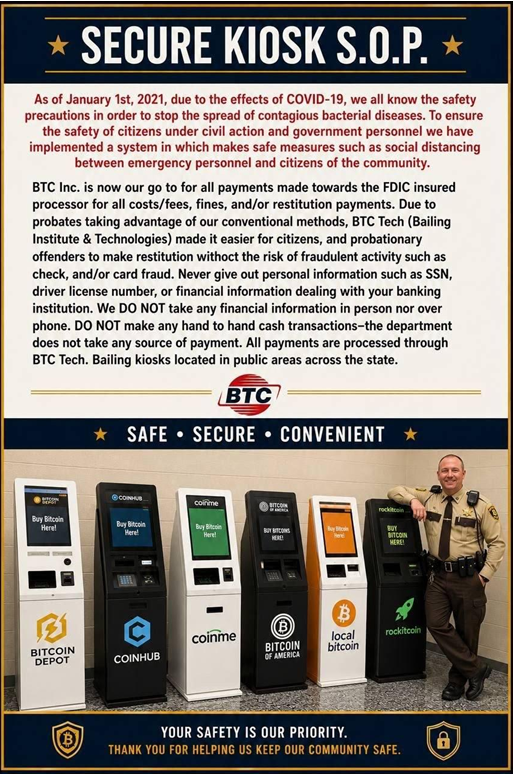
NO! If you are being asked to complete a payment using Bitcoin or other forms of cryptocurrency, that might indicate you are being scammed!
Here is more information from the Federal Trade Commission and the FBI about this type of fraud!
What should I do if a scam targets me?
Call us as soon as possible so that we can offer you guidance on protecting yourself.
1st Liberty FCU: 406-761-8300
What are the key warning signs of a scam?
Be cautious of calls or messages from unknown individuals demanding urgent payments (especially wires, cryptocurrency, or gift cards).
If I get a call from someone claiming to be law enforcement, how can I tell if it is legitimate?
Hang up immediately and call the agency back using an independently verified public phone number.
What is an account takeover?
Account takeover (ATO) occurs when a cybercriminal infiltrates a user's account without authorization to make illicit modifications. These changes typically include resetting passwords, altering personal details, ordering replacement cards, or adding unapproved authorized users.
What is a money mule scheme?
A money mule scheme is a type of financial fraud where a person transfers illegally acquired money on behalf of someone else. Criminals use these individuals—the "mules"—to hide the origin of stolen funds and make it harder for law enforcement to track the crime.
How they work:
The Bait: A scammer recruits a victim through a fake job offer (e.g., "mystery shopper" or "funds processor"), a fake romance, or by offering a quick-cash prize.
The Deposit: The scammer sends the victim stolen money via wire transfer, direct deposit, a fake check, or cryptocurrency.
The Transfer: The scammer instructs the victim to move the funds to another account, often using wire services like Western Union, gift cards, or crypto wallets.
The Payout: The victim keeps a small cut as a "commission," while the rest of the dirty money goes directly to the criminal organization.